The Importance Of Forklift Certification
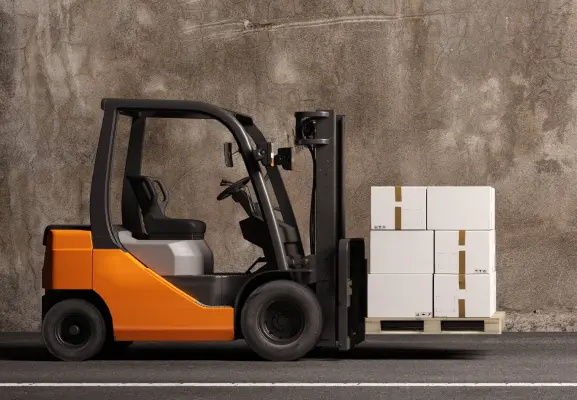
Forklifts are indispensable tools in warehouses, factories, and construction sites, facilitating the movement of heavy materials with efficiency and precision. However, operating a forklift requires specialized skills and knowledge to ensure the safety of both operators and those working nearby. Forklift training and certification plays a crucial role in equipping operators with the necessary training and expertise to handle these powerful machines safely.
Preventing accidents and injuries:
Operating a forklift without proper training and certification significantly increases the risk of accidents and injuries in the workplace. Forklift-related incidents can result in serious injuries or even fatalities, both for operators and bystanders. By undergoing inclusive certification training, operators learn how to operate forklifts safely, identify hazards, and implement preventive measures to avoid accidents.
Compliance with regulations:
Many countries have regulations and standards in place governing the operation of forklifts in the workplace. These regulations often require employers to ensure that forklift operators receive adequate training and certification before operating the equipment. Failure to comply with these regulations can result in fines, penalties, and legal liabilities for employers. Forklift certification demonstrates compliance with these regulations and underscores a commitment to workplace safety.
Improved efficiency and productivity:
Certified forklift operators are more proficient and confident in their ability to perform tasks efficiently, leading to improved productivity in the workplace. By understanding proper operating procedures, load handling techniques, and equipment maintenance, certified operators can minimize downtime, optimize workflow, and contribute to overall operational efficiency. Investing in certification training enhances safety and yields tangible benefits in terms of productivity and performance.
Reduced risk of personal injury:
In addition to the risk of personal injury, forklift accidents can also result in costly property damage, including damage to equipment, inventory, and infrastructure. Properly trained and certified operators are better equipped to steer tight spaces, maneuver in congested areas, and handle loads safely, reducing the likelihood of collisions and damage to property. By prioritizing safety through certification, employers can mitigate the risk of costly accidents and associated repair expenses.
Promoting a culture of safety:
Forklift certification fosters a culture of safety within the workplace by emphasizing the importance of proper training, adherence to safety protocols, and accountability for one’s actions. Certified operators are more likely to recognize and address unsafe behaviors, report hazards promptly, and actively participate in safety initiatives and training programs. By promoting a culture of safety, organizations create a positive work environment where employees feel valued, supported, and empowered to prioritize safety in all aspects of their work.